

4mm mirror price
Understanding Taper Gauge 1 15mm A Comprehensive Overview In various industries, precision measurement is critical for ensuring the quality and functionality of products. One such instrument that plays a significant role in achieving precise measurements is the taper gauge, specifically the Taper Gauge 1 15mm. This tool is widely used in fields such as manufacturing, engineering, and construction due to its unique design and functionality. What is a Taper Gauge? A taper gauge is a specialized measuring tool designed to determine the depth, angle, or taper of a surface. It is particularly beneficial for assessing the specifications of various components, enabling engineers and technicians to maintain consistent quality standards. The 1 15mm designation refers to the dimensions and taper angle of the gauge, indicating that it has a taper angle of 1 degree with a width of 15mm. Features and Specifications The Taper Gauge 1 15mm exhibits several key features that enhance its usability 1. Material and Durability Typically made from high-quality steel or other durable materials, taper gauges are designed to withstand wear and tear. This resilience ensures that they can provide accurate measurements over extended periods. 2. Precision The gauge allows users to measure tapers with great accuracy, which is crucial in applications where even minor discrepancies can lead to significant issues. 3. Portability The compact size of the Taper Gauge 1 15mm makes it easy to carry and use in various settings. This convenience is particularly advantageous for fieldwork, where quick and accurate measurements are essential. 4. Ease of Use Designed with user-friendliness in mind, taper gauges often come with clear markings and a straightforward design. This makes it easy for professionals to take measurements without extensive training. taper gauge 1 15mm Applications The Taper Gauge 1 15mm is utilized in numerous applications across different sectors 1. Manufacturing In the manufacturing industry, taper gauges are used to inspect the dimensions of machined parts. They help verify that components fit together correctly, ensuring the integrity of final products. 2. Construction Builders and contractors often use taper gauges when working on projects that require precise angles and measurements, such as framing walls or installing ramps. The gauge ensures that structures meet safety and design specifications. 3. Automotive and Aerospace In the automotive and aerospace sectors, precision is paramount. Taper gauges assist engineers in measuring the profiles of various components, ensuring that they meet stringent regulatory standards. 4. Woodworking Woodworkers rely on taper gauges to achieve accurate angles and fits in their projects. This attention to detail can greatly enhance the quality of woodwork, resulting in more aesthetically pleasing and functional pieces. Maintenance and Care To ensure the longevity and accuracy of the Taper Gauge 1 15mm, proper maintenance is essential. Users should regularly clean the gauge to remove dust and debris, which can interfere with measurements. Additionally, storing the gauge in a protective case can prevent damage when not in use. Regular calibration may also be necessary to maintain its precision, depending on the frequency of use and the tolerances required for specific applications. Conclusion The Taper Gauge 1 15mm is an invaluable tool in various industries, providing essential measurements that maintain quality and safety standards. Its robust construction, precision capabilities, and ease of use make it a preferred choice among professionals. By understanding its features and applications, users can leverage this tool effectively to enhance their work quality and efficiency. Whether you are in manufacturing, construction, or another field, incorporating a taper gauge into your toolkit can lead to significant improvements in your project outcomes.
about
4mm mirror price
Understanding the Price of Thread Plug Gauges Thread plug gauges are essential tools used in manufacturing and quality control to ensure that threaded holes meet specific tolerances and standards. They play a crucial role in various industries, including automotive, aerospace, and precision engineering. As with any industrial tool, the price of thread plug gauges can vary significantly based on several factors. This article delves into the aspects that influence the price of thread plug gauges and how to choose the right one for your needs. Factors Influencing the Price 1. Material Composition The materials used in the manufacturing of thread plug gauges greatly affect their prices. High-quality gauges are typically made from hardened steel or carbide to ensure durability and resistance to wear and tear. The higher the quality of the material, the more expensive the gauge will be. For specialized applications, gauges might be made from even more exotic materials, further increasing costs. 2. Precision and Tolerance Standards Thread plug gauges must adhere to specific tolerance and precision standards, such as ISO, ANSI, or JIS specifications. The higher the precision required, the more complex the manufacturing process becomes, which contributes to the final cost. For example, a gauge designed for critical applications in the aerospace industry will be priced higher than one used for less critical operations. 3. Manufacturing Processes The method used to produce thread plug gauges can also impact pricing. Processes such as CNC machining, heat treatment, and surface finishing require advanced technology and skilled labor, leading to higher costs. In contrast, gauges produced using less sophisticated methods may come with a lower price tag but could compromise on quality and accuracy. 4. Size and Customization The size of the gauge plays a significant role in determining its price. Standard sizes are generally less expensive due to economies of scale in production. However, custom gauges, tailored for specific applications or unique dimensions, can significantly increase costs due to the need for specialized manufacturing processes. 5. Brand Reputation Established brands with a reputation for quality and precision may charge more for their thread plug gauges. While choosing a reputable brand may cost more upfront, it can lead to long-term savings through reduced replacement rates and increased accuracy, ultimately minimizing production errors. 6. Market Demand and Supply Like any other product, the law of supply and demand affects the pricing of thread plug gauges. Recessions or booms in the manufacturing sector can lead to fluctuations in gauge availability and, consequently, their prices. Keeping an eye on market trends can help one anticipate price changes and plan purchases accordingly. thread plug gauge price Making the Right Choice When selecting thread plug gauges, it is essential to balance quality with cost . Here are some tips to consider - Evaluate Requirements Determine the specific standards and tolerances necessary for your application. This will help you identify which gauges meet your needs without overspending on unnecessary features. - Invest in Quality While it may be tempting to choose cheaper options, investing in high-quality gauges can pay off in the long run through reduced error rates and increased lifespan. - Compare Suppliers Research multiple suppliers and compare prices, taking into account factors such as delivery times and after-sales support. A slightly higher price from a reputable supplier may offer better value than a low-cost option from an unknown source. - Consider Bulk Purchases If your operations require multiple gauges, consider bulk purchasing. Many suppliers offer discounts for larger orders, which can lead to significant cost savings. Conclusion The price of thread plug gauges is influenced by various factors, including materials, manufacturing processes, and market conditions. By understanding these elements and carefully evaluating your specific needs, you can make informed decisions that ensure you acquire the right tools for your operations without overspending. Investing in high-quality thread plug gauges ultimately contributes to the precision and efficiency of your manufacturing processes, proving beneficial in the long run.
-

High quality industrial productsagement

High quality industrial products
View Details -

Meet the diverse needs of customers

Meet the diverse needs of customers
View Details -

Strict quality control

Strict quality control
View Details -

Top raw materials

Top raw materials
View Details -

Trusted supplier

Trusted supplier
View Details
Our application


news and information
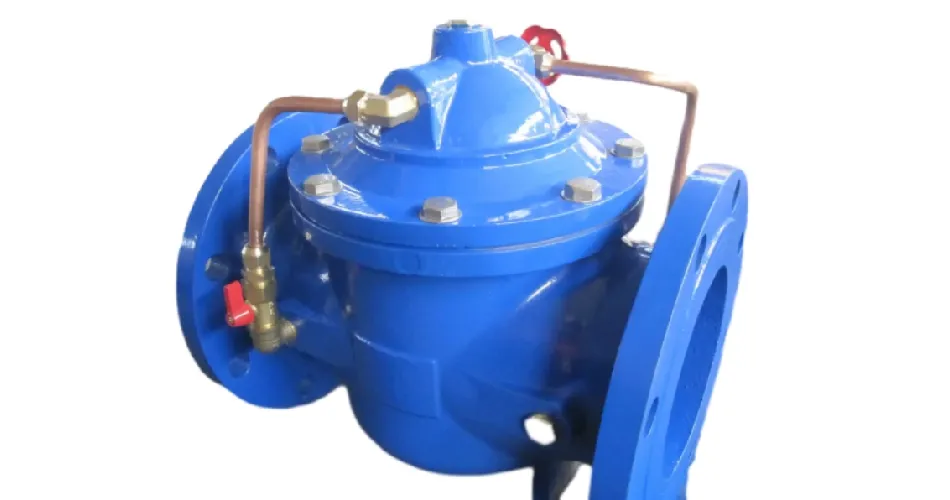
water pressure valve
Understanding Water Pressure Valves A Crucial Component for Plumbing Systems Water pressure valves a

Wholesale Suppliers for High-Quality Ball Valves in Various Sizes and Materials
ball valves wholesale .
Y Strainer PN16 Specifications and Applications for Fluid Filtration Systems
Understanding the Y Strainer PN16 An Overview In industrial piping systems, ensuring the efficient f
 English